Glp-1 Peptide Reconstitution Storage Procedure Aliquot solutions into single-use portions before cold and thaw just what you require. For longer storage space, reconstituted peptides can be iced up at -20 ° C . At freezing temperatures, solution-phase degradation reduces significantly. Peptide remedies commonly stay steady for 3-4 months frozen. Peptide degradation is highly affected by environmental aspects. When working with novel or particularly valuable peptides, consider consulting the literature or conducting preliminary stability studies to maximize your storage protocols. Once reconstituted, peptides can have a shelf life that differs from hours to days or even weeks-- this is influenced by the peptide itself and the problems of storage. We recommend their timely usage or aliquoting adhered to by frozen storage space. Cross contamination can occur between different peptide samples and so it is not suggested to reuse the vial or container for Get more info another peptide example. Even minute traces of residual peptides or solvents from previous examples are capable of connecting with or damaging down your new example. The lyophilization procedure produces variable pressure inside secured vials. Neither condition allows smooth reconstitution without initial equalizing pressure with the setting. Independently covered 70% isopropyl alcohol pads offer several purposes during peptide handling. You'll utilize them to disinfect vial stoppers before each leak, clean shot websites, and clean down work surface areas.
Light: The Vampiric Opponents
Drinking produces micro-bubbles and surface stress forces that literally tear apart amino acid series. This process, called denaturation, permanently damages peptide activity. Before you ever before puncture a rubber stopper, you require to recognize what you're working with. The white powder sitting at the bottom of that vial represents months of synthesis, filtration, and quality assurance. How you treat it from this factor ahead establishes whether those amino acid chains remain intact or break down.
Using the peptide reconstitution calculator at SeekPeptides streamlines this math.
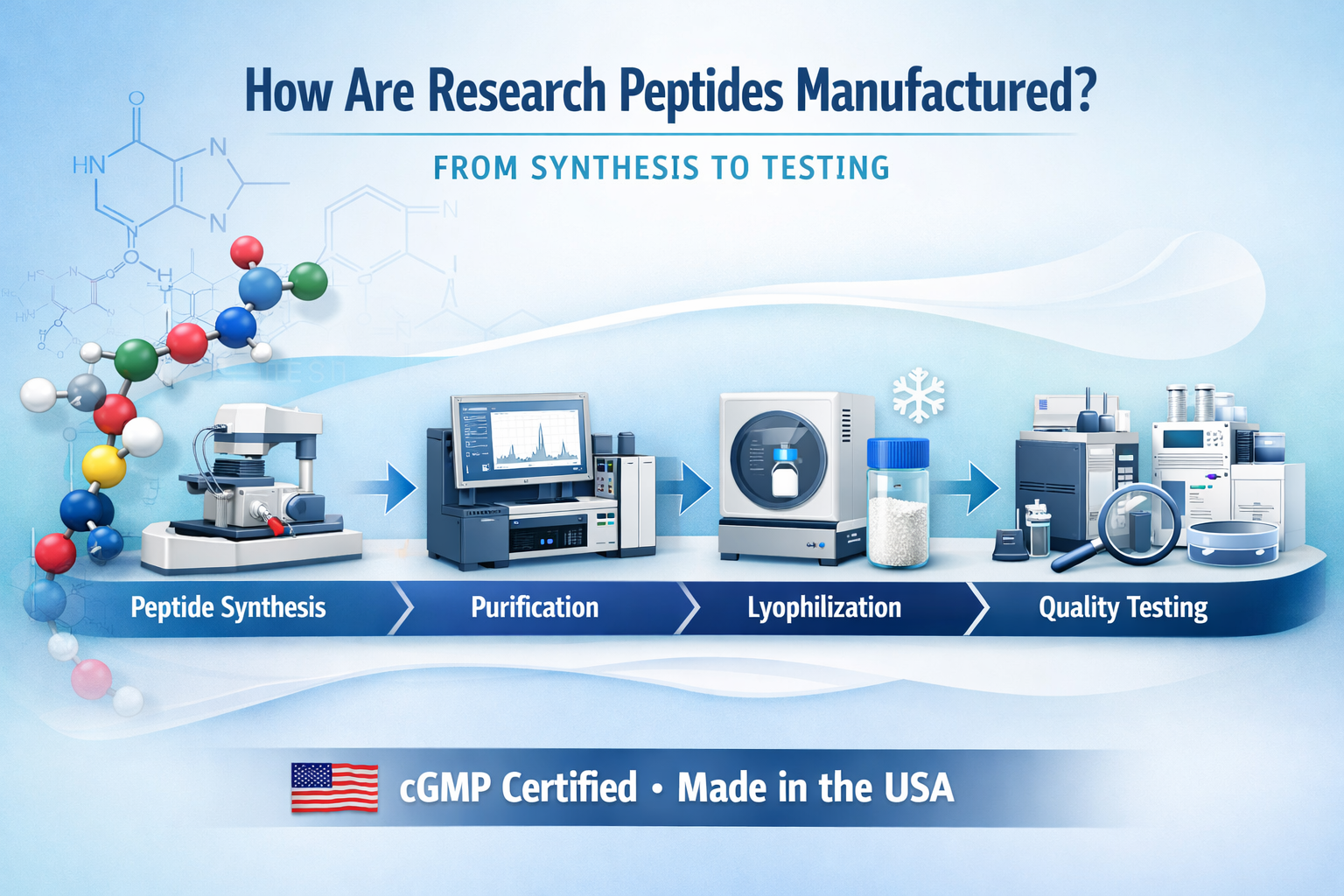
It is made to assist visitors recognize how lyophilized and reconstituted products are usually dealt with, and why consistency issues for long-lasting honesty.
In a general, peptides are verified to be steady for several months (1 year or more) at 2 °-- 8 °. When handled and kept correctly, peptides can generally be steady for numerous years at -20 ° C or reduced frozen storage.
As well focused means measuring little quantities where small mistakes produce big variants.
At higher concentrations, surface effects come to be proportionally less important. Oxygen liquified in solution and present in vial headspace drives these responses. Changing headspace air with inert gas slows oxidation considerably. For applications needing numerous withdrawals from a solitary vial, vial adapters remove repeated stopper leaks. These devices Protein Science attach to the vial as soon as, developing a port for duplicated syringe accessibility without added needle sticks with rubber.
What counteracts peptides?
Salicylic acid''s exfoliating action might undercut the peptides, diminishing their skin-repairing benefits. Recommendation: To stay clear of any kind of interaction, usage salicylic acid and peptide items at various times. For example, integrate salicylic acid in your early morning regimen and peptides in your evening regimen.
What Is The Basic Size Of A Vial?
Whether you're dealing with lyophilized powders or reconstituted remedies, understanding the elements that impact peptide security will aid you take full advantage of the lifespan and performance of your study materials. It might likewise be made use of for integrity and deterioration product analysis by logical strategies such as mass spectrometry, chromatography, and numerous spectroscopic methods. Reconstitution in service makes peptides extra prone to hydrolysis. To decrease this risk, use the reconstituted peptide promptly or consider aliquoting into smaller sized parts for future usage. This method improves stability and efficiency of a peptide option by avoiding its exposure to moisture several times. The disulfide bond formation is rapid at neutral or a little basic pH. Disulfide bridge formation is reversible. The disulfide bonds can be lowered at fundamental problems using DTT. The pH 7-9.5 is the optimum pH range for decreases with DTT. The DTT options should be newly prepared because DTT is easily oxidized.